
 History of IDEA
 Jeannie Oakes, Founder and Former Director
 Youth Voice in School Finance
 NEW REPORT: Los Angeles' road to A-G for all
 Without Dollars and Sense Powerpoint
 Past Educational Opportunity Reports
Educating Toward a Diverse Democracy: Lesson Plans
Authors: Young Whan Choi, Joe Kahne, and John Rogers
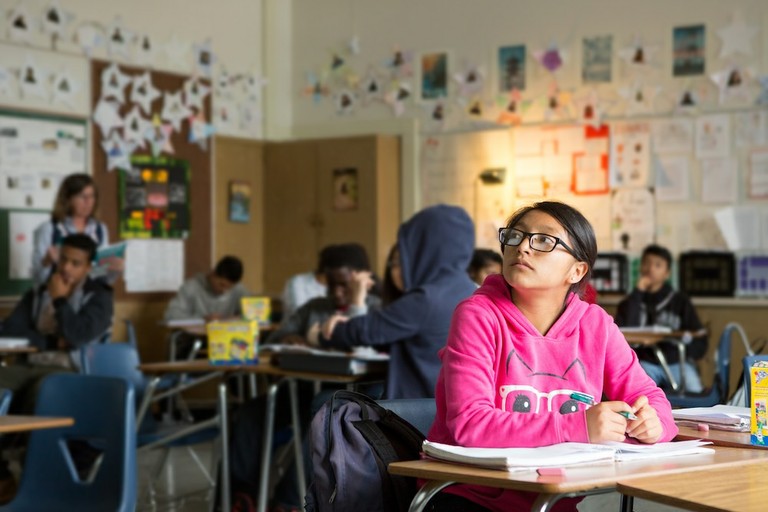
Photo by Allison Shelley for EDUimages
Welcome!
Each of these three lessons is roughly 90 minutes, but each can be split into two shorter lessons to fit a 45–55 minute class. While designed to follow a sequence, they can also be taught as stand-alone lessons.
The provided lessons and materials are intended for high school students, particularly those in government or civics classes.
- "[I learned that] not everyone has to agree but they should still be respected and treated with dignity"
- "I liked how much group work there was in this lesson as it required you to interact rather than listen the whole time"
- "I love every part of this class!"
Lesson 1 - A Diverse Democracy
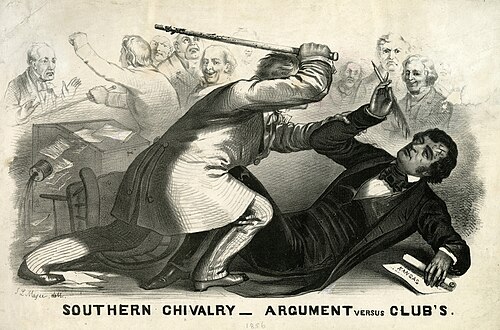
“How can we better promote the principles of a diverse democracy at our school?” Students unpack what people did wrong in a series of school-based scenarios, which leads them to arrive at the four key principles in our framework for a diverse democracy: Compromise, Laws, Evidence, Respect (CLER). They then evaluate their own school based on these principles and brainstorm actions that could improve the democratic culture of their school.
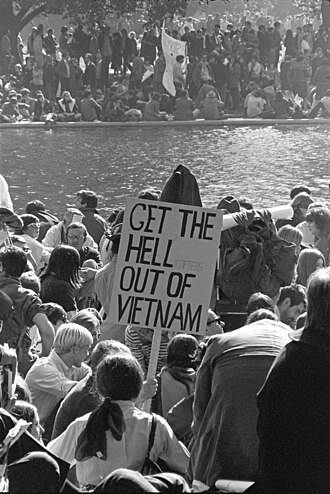
“In a democracy, what are the rights and limitations to student protest in schools?” Students learn about four criteria established in the Tinker vs. Des Moines decision and then grade the actions of real principals who attempted to respond to student protests in their school. They then create a draft policy on student protest for their school, which adheres to their interpretation of the Tinker decision.
Lesson 3 - Teaching American History

“What should students learn about American History in order to promote a diverse democracy? Its successes? Its failures? Both? How much of each?” Students engage several short readings that represent a range of perspectives on what should be learned in US History classes. They first interpret these sources, then arrive at their own conclusion, and finally recommend changes to their school’s US History curriculum.
Learn more about Educating toward a Diverse Democracy
- Principals share their challenges teaching towards a diverse democracy through a large survey
(Kahne, Rogers, & Kwako, 2025) - Three strategies that social studies teachers can take to promote educating towards a diverse democracy
(Kahne & Rogers, 2024) - US public high schools face political limitations in educating towards a diverse democracy
(Rogers, Kahne, Ishimoto, Kwako, Stern, Bingener, Raphael, Alkam, & Conde, 2022) - A framework for Educating toward a Multiracial Democracy: caring and restorative relationships, lived civics, and youth voice
(Rogers, Hodgin, Kahne, & Terriquez, 2022)
Educating Toward a Diverse Democracy by Young Whan Choi, Joe Kahne and John Rogers is licensed under Creative Commons Attribution-NonCommercial 4.0 International
Image Credits
- Caning of Charles Sumner Illustration - After John L. Magee, Public domain, via Wikimedia Commons
- Vietnam War Protest Photo - Frank Wolfe, Public domain, via Wikimedia Commons
- Statue of Liberty and Fireworks - Public domain
 Print this


